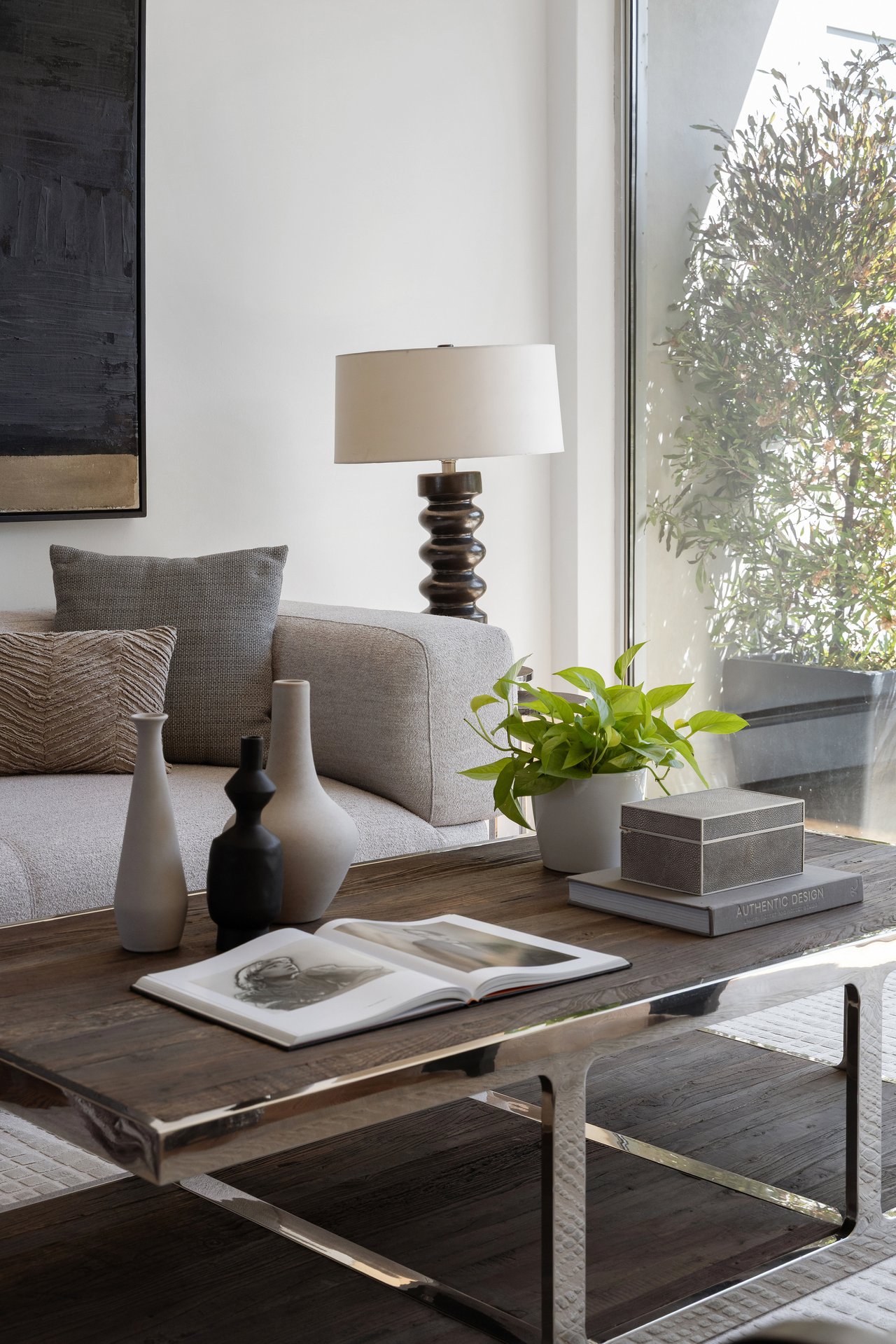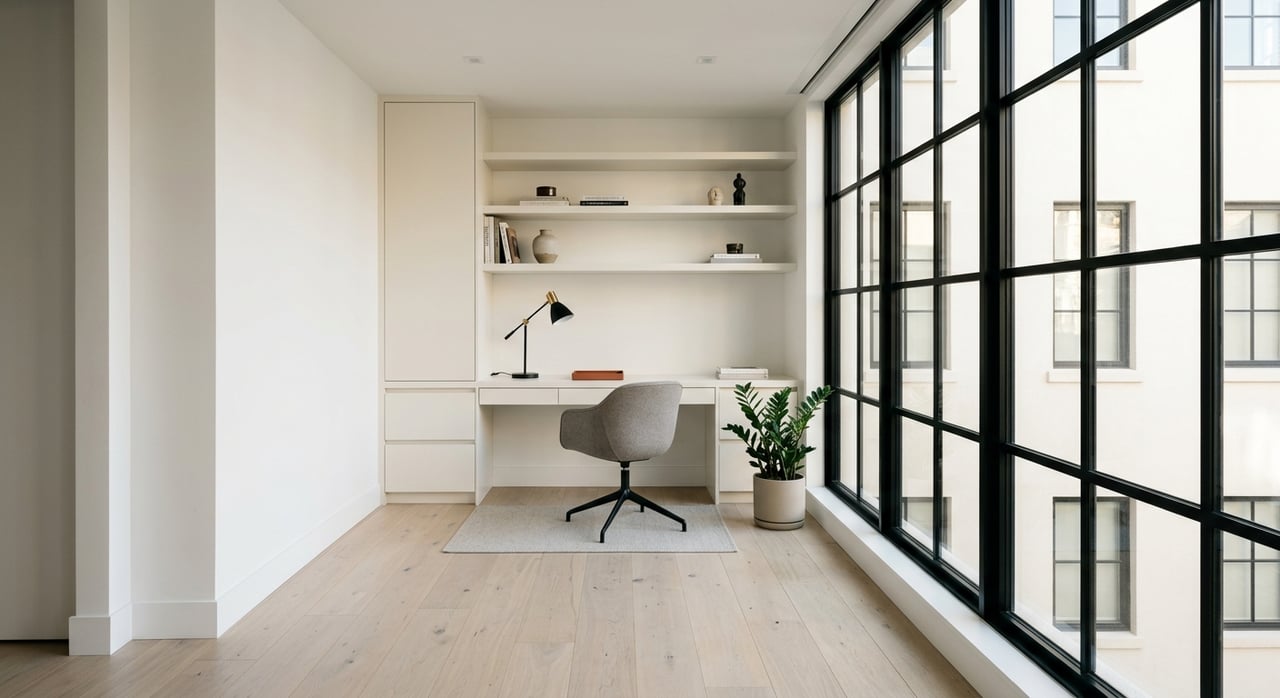
If your workweek splits between video calls at home and in-person meetings around San Francisco or the Peninsula, location starts to matter in a very specific way. You want a neighborhood that feels residential and livable, but still keeps your commute, daylight, and daily routine manageable. Potrero Hill stands out for exactly that reason, and if you are weighing where to land in San Francisco, it is worth a closer look. Let’s dive in.
Potrero Hill offers a residential feel
For many hybrid tech buyers, the challenge is balance. You want to stay close to major job centers without feeling like you live in the middle of an office district. Potrero Hill fits that need because it sits between major parts of the city, including the Mission District, Mission Bay, and South of Market, while still reading as an established residential neighborhood.
That distinction matters in everyday life. The broader area is close-in and connected, but Potrero Hill itself can feel more tucked away than nearby core districts. Local city guides also highlight its skyline and Bay views, which helps explain why the neighborhood often feels more relaxed and self-contained than buyers expect.
Hybrid commuting is easier here
A hybrid schedule usually means your commute pattern changes from day to day. Some days, you may drive to a meeting or head south toward Silicon Valley. Other days, transit may be the better option.
Potrero Hill supports that kind of flexibility. San Francisco Planning notes that the area is bounded on three sides by elevated freeways, and specifically points to US 101 and I-280 as major routes moving commuters in and out of the neighborhood. That can be a major advantage if your work routine includes regional travel.
Transit options are broader than many buyers think
If you prefer public transit for part of the week, Potrero Hill has more coverage than many people assume. SFMTA lists service from the T Third Street, 9 San Bruno, 10 Townsend, 55 Dogpatch, 48 Quintara/24th Street, 22 Fillmore, 27 Bryant, and 33 Ashbury/18th Street.
Caltrain also serves 22nd Street Station, and Caltrain has said additional limited trains stop there to better connect riders with Silicon Valley employment centers. Caltrain also announced station upgrades that included lighting, landscaping, bike lockers, and a bike-share station, which adds practical value if you want options beyond driving.
The exact block still matters
This is not a one-size-fits-all neighborhood. Planning documents make clear that Potrero Hill’s steep topography and freeway edges shape how streets function, and that can affect your day-to-day experience.
In practice, light, noise, parking, and even walkability can shift from one block to the next. If you are buying for a hybrid lifestyle, it is smart to look closely at the exact micro-location, building orientation, floor level, and parking setup before you decide a home is the right fit.
Sunlight and views add real work-from-home value
A home office feels very different when it gets strong natural light. In Potrero Hill, that is not just a marketing cliché. City planning materials describe parts of the area as being on a south-facing slope with unobstructed solar access, creating a warm microclimate.
A separate Planning Department environmental review for the Potrero Hill Recreation Center notes that the park is sunny from about 10:00 a.m. to 5:00 p.m. in spring and autumn. The area plan also highlights east-west views toward the Bay and hills, along with north-south views toward downtown and Potrero Hill.
Why that matters for hybrid tech buyers
If you work long hours from home, daylight and visual openness can shape how a space feels all week. A bright office nook, an upper-floor room, or a deck with an outlook can make your home feel more functional and more restorative.
Potrero Hill’s slope makes those features more common than in flatter parts of the city. For buyers who want a home that supports focus during the day and feels rewarding after hours, that combination can be a real advantage.
Housing options support flexible living
One of Potrero Hill’s strengths is range. The neighborhood includes an older residential layer with post-1906 workingman’s cottages, bungalows, and row houses, many tied to Queen Anne, Shingle, Craftsman, and Edwardian styles. If you are drawn to classic San Francisco architecture, there is real depth here.
At the same time, the broader Potrero area also includes newer housing and redevelopment. Planning materials for Potrero HOPE SF say the Potrero Terrace and Annex redevelopment will ultimately include about 1,700 residential units, new streets, utilities, infrastructure, 3.5 acres of open space, and about 45,000 square feet of neighborhood-serving retail and community space.
Older homes and newer layouts
This mix gives buyers more than one path into the neighborhood. Some homes offer historic character and traditional detailing, while newer projects may appeal to buyers looking for more contemporary layouts or townhome-style living.
That can be especially useful if you need more than a simple one-bedroom floor plan. San Francisco Planning has also stated that new development in the area should include a significant number of two-or-more-bedroom units, which supports the kind of flexible setup many hybrid households want.
Space for an office matters more now
For many buyers, hybrid living means you are no longer shopping only for a place to sleep and store things. You may want a true office, a guest room that can double as a workspace, or a layout that gives two people room to work privately.
Potrero Hill’s mix of classic homes, multi-bedroom residences, and newer housing types makes it easier to search for that flexibility. Instead of forcing your work life into a small footprint, you may have more ways to match the home to your routine.
Daily life feels grounded, not purely corporate
Commute convenience matters, but so does how a neighborhood feels on a Tuesday morning or a Sunday afternoon. Potrero Hill benefits from neighborhood-serving commercial pockets rather than a purely office-centered rhythm.
San Francisco Planning says the area protects neighborhood commercial areas around 18th and 20th Streets and encourages additional neighborhood-serving retail near Jackson Playground on 17th Street. The same planning framework describes Potrero Hill as an established residential community whose existing character generally works well.
The appeal is in the rhythm
That creates a daily-life pattern that can feel village-like within the city. You get a neighborhood with local anchors, residential blocks, and open-space access, including the Potrero Hill Recreation Center, while still staying connected to major employment areas.
For hybrid workers, that can be a strong quality-of-life upgrade. When you spend more time working from home, the surrounding environment becomes part of your routine, not just the backdrop to it.
Potrero Hill is evolving over time
Another reason Potrero Hill stands out is that parts of the wider area are still gaining infrastructure and amenities. Potrero HOPE SF is planned to add housing, open space, and neighborhood-serving uses over time.
That matters if you are thinking beyond your next lease cycle or your next promotion. A neighborhood that already functions well, while also adding more convenience and public improvements, can become even more appealing as your hybrid work chapter evolves.
What to evaluate before you buy
Potrero Hill can be an excellent match for hybrid tech living, but smart buyers should stay specific. In a neighborhood defined by slope, views, and edge conditions, details matter.
As you tour homes, pay close attention to:
- Natural light at the times of day you actually work
- Floor level and window orientation
- Street noise and freeway influence
- Commute routes for both driving and transit
- Parking or garage setup
- Layout flexibility for a dedicated office or guest room
- Outdoor space or visual outlook
A polished listing can get your attention, but the right fit usually comes down to how the block and floor plan support your real weekly routine.
Why Potrero Hill works for hybrid tech lifestyles
In simple terms, Potrero Hill works because it offers a rare blend of access and livability. You can stay close to downtown, Mission Bay, SoMa, and Peninsula commute routes while still living in a neighborhood with a residential identity.
Add in sunlight, view potential, varied housing stock, and neighborhood-serving amenities, and the appeal becomes easier to understand. For relocating executives, move-up buyers, and anyone rethinking how home should function during a hybrid work era, Potrero Hill deserves a place on the shortlist.
If you want help evaluating Potrero Hill homes through the lens of commute, layout, light, and long-term fit, connect with Gina G. Blancarte for tailored guidance in San Francisco.
FAQs
Why is Potrero Hill good for hybrid tech workers?
- Potrero Hill combines a primarily residential feel with access to major job centers, freeway routes, transit lines, and Caltrain connections, which supports a flexible workweek.
What transit serves Potrero Hill in San Francisco?
- SFMTA lists the T Third Street, 9 San Bruno, 10 Townsend, 55 Dogpatch, 48 Quintara/24th Street, 22 Fillmore, 27 Bryant, and 33 Ashbury/18th Street, and Caltrain serves nearby 22nd Street Station.
What kinds of homes are in Potrero Hill?
- The neighborhood includes older cottages, bungalows, and row houses, along with newer redevelopment and townhome-style housing in the broader Potrero area.
Does Potrero Hill get good sunlight?
- Planning materials describe parts of the area as having unobstructed solar access on a south-facing slope, and city review documents note sunny conditions at the recreation center during much of the day in spring and autumn.
What should buyers compare block by block in Potrero Hill?
- Buyers should compare light, noise, parking, transit access, street grade, building orientation, and layout flexibility because conditions can vary significantly across the neighborhood.