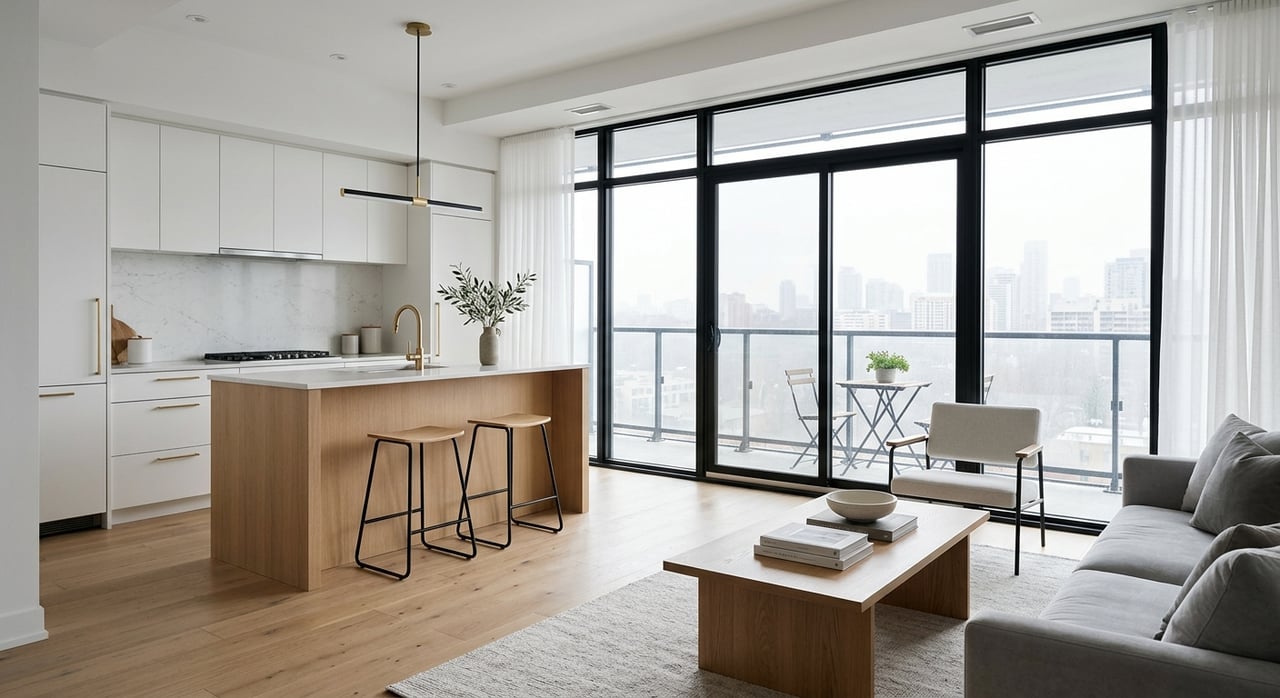
Buying new construction in the Mission can feel exciting at first glance. Fresh finishes, clean lines, and modern amenities photograph beautifully, but a smart condo decision in this neighborhood takes more than a quick tour. If you want to compare new developments with confidence, it helps to look past the model-unit polish and focus on how the building, block, and HOA will work for your day-to-day life. Let’s dive in.
Start With the Block
In the Mission, the surrounding block matters almost as much as the building itself. San Francisco’s Mission Area Plan describes the neighborhood as transit-rich, pedestrian-scaled, and built around a strong mix of housing, retail, and other uses. Mission, Valencia, and 24th Streets are active commercial corridors, and the city’s Mission Action Plan 2030 continues work tied to public plazas and community-serving businesses.
That local context shapes how a condo actually lives. When you tour, pay attention to the ground-floor uses nearby, loading activity, late-night foot traffic, and how exposed the lobby or lower-floor homes feel from the street. In a dense, mixed-use neighborhood, privacy and quiet can vary dramatically from one block face to the next.
What to notice on a Mission condo tour
Before you focus on finishes, take a slow walk around the immediate area. The building may be beautiful, but your experience will also depend on what happens outside your windows and front door.
Look for:
- Retail or restaurant uses at street level
- Loading zones and delivery patterns
- Pedestrian volume during the day and evening
- Street-facing windows with limited privacy
- Lobby placement and visibility from the sidewalk
- Nearby transit entrances and bus stops
Evaluate the Unit Like You’ll Really Live There
A new condo should work on paper and in real life. That means thinking about layout, furniture placement, storage, light, privacy, and noise, not just the staged presentation.
In the Mission, lower-floor and street-facing units may need more thoughtful buffering from outside activity. Since the neighborhood includes busy transit corridors and heavily used sidewalks, it is worth comparing floor level, unit orientation, and how much separation you have from the street.
Check layout, light, and flow
A floor plan can look efficient until you imagine your actual furniture inside it. Check whether the rooms have practical shapes, whether bedrooms are separated enough for your needs, and whether there is useful storage beyond a single closet or two.
Natural light also deserves a closer look. Try to understand where the sun hits during the day, whether neighboring buildings block key windows, and how bright the unit feels without every overhead light turned on.
Pay attention to acoustics and privacy
Noise is not just a building issue. It can be a block issue, a floor-level issue, and even a window-placement issue.
When touring, pause and listen. Notice whether you hear buses, street conversations, restaurant activity, or noise from shared spaces. Also ask yourself whether you would feel comfortable keeping shades open, especially in a lower-floor or sidewalk-facing unit.
Look Closely at Systems and Finishes
New construction often highlights sleek kitchens and fresh materials, but the systems behind the walls matter just as much. In San Francisco, most new buildings with permit applications filed on or after June 1, 2021 must be fully electric. Gas piping is not permitted for space heating, water heating, cooking, lighting, or clothes drying.
That means you should confirm the appliance package, heating and cooling setup, and whether the electrical design fits your daily expectations. If you cook often, work from home, or rely on multiple devices and appliances at once, these details are practical, not minor.
Know your first-year punch-list window
California’s SB 800 framework gives buyers of new residential units a minimum one-year express written warranty for many fit-and-finish items. These include items such as cabinets, mirrors, flooring, walls, countertops, paint finishes, and trim.
For you, that first year is the time to document cosmetic issues carefully and promptly. Keep a running list, take photos, and communicate clearly if something needs correction. A polished new unit should still be reviewed with a sharp eye.
Treat Outdoor Space as Real Living Space
In the Mission, outdoor space can add real value, but only if it is truly usable. A balcony or roof deck may look impressive in marketing materials, yet feel too narrow, too exposed, or too shaded to use comfortably.
Judge these spaces like you would judge a room inside the home. Ask whether you could actually sit, dine, work, or relax there on a normal day.
Questions to ask about balconies and decks
Use this checklist when comparing outdoor areas:
- Is the space deep enough for furniture?
- How much direct sun and shade does it get?
- Does it feel private or highly exposed?
- Is drainage handled well?
- Is wind a factor?
- Would you use it regularly, not just occasionally?
If a building offers limited private outdoor space, consider the public realm nearby. Mission Dolores Park is one of San Francisco’s most popular parks, and the city’s current Mission planning work also emphasizes activity around the 16th and 24th Street plazas. In this neighborhood, lifestyle value often comes from the mix of in-home comfort, walkability, and access to public open space.
Review the HOA With Care
When you buy a condo in California, you are usually buying into a common interest development and automatically joining the HOA. That means the governing documents and the association’s financial health matter from day one.
Ask for the public report, current budget, reserve study, reserve balances, and any planned assessments. According to California Department of Real Estate guidance, the public report is provided before the purchase contract is signed, and reserve-study materials should help show current reserves, the remaining life of major components, replacement costs, and the funding plan.
Focus on the documents that matter most
These are the key HOA items to review:
- Articles of incorporation
- Bylaws
- CC&Rs
- Rules and regulations
- Current operating budget
- Reserve study and reserve balances
- Any known or planned assessments
These documents tell you how the project is run, what the HOA can assess, and what owners can and cannot do. In a new project, they also help you understand whether the association is being set up for long-term stability.
Understand developer control
New HOAs are often developer-controlled at first. California DRE guidance says consumer-purchasers must be able to elect at least one board member no later than six months after the first conveyance.
That transition matters because early HOA decisions can affect rules, budgets, and owner expectations. If the project is newly delivered, ask how far along that turnover process is and what owner participation looks like so far.
Study Reserve Planning, Not Just Dues
Low HOA dues can look appealing, but they do not automatically mean the building is financially strong. Reserve planning helps the association prepare for long-term replacement of major items such as roofs, exterior paint, lighting, and paving.
A strong reserve study gives you a better sense of the HOA’s financial picture. It shows whether the association is planning responsibly for future non-annual maintenance instead of pushing surprise costs into the future.
Why reserve strength matters
If reserves are underfunded, owners may face special assessments later. That is why reviewing the reserve study and current balances is so important, even in newer buildings where major components still feel far away.
The goal is not perfection. The goal is understanding whether the project appears to be budgeting realistically for the building it will become, not just the building it is today.
Be Extra Careful With Converted Buildings
Not every “new condo” is entirely new construction. Some homes are part of recently converted buildings, and those deserve a different level of diligence.
California DRE guidance warns that older structures can carry higher maintenance and repair costs, especially in infrastructure and mechanical, electrical, and plumbing systems. Budget estimates in conversion projects can also become less reliable after developer obligations expire.
Ask for conversion and inspection history
If the property is part of a San Francisco condo conversion, ask for the inspection history and proof of final completion. San Francisco DBI’s physical-inspection process covers building, electrical, and plumbing inspections, and the resulting report lists violations that must be corrected with separate permits before final completion.
This is one area where paperwork matters just as much as presentation. A stylish remodel is not a substitute for a clear inspection and completion trail.
Weigh Mission Lifestyle Trade-Offs
Transit access is one of the Mission’s biggest advantages. Both 16th St. Mission and 24th St. Mission BART stations serve four BART lines, connect to Muni, and do not offer station parking. The neighborhood is also served by multiple Muni routes, including the 14 Mission and 14R Mission Rapid.
For many buyers, that makes car-light living realistic and convenient. At the same time, station-area activity should be part of your housing decision, especially if you are considering a unit close to a major corridor or transit hub.
Compare convenience and comfort together
The Mission offers a strong mix of urban energy, transit access, retail, and public space. That combination is a major reason buyers are drawn to the neighborhood.
Still, every benefit can come with a trade-off. A lively corridor may also mean more street noise. A lower-floor unit close to transit may be convenient, but less private. The best condo for you is the one that balances comfort, access, and everyday livability.
Add Climate Resilience to Your Checklist
San Francisco’s climate-health and emergency guidance makes clear that extreme heat, wildfire smoke, and storm events are real planning considerations. In a dense neighborhood like the Mission, those issues should be part of your evaluation process.
This is where brochure photography can fall short. A roof deck may be attractive, but comfort depends on shade, airflow, and exposure. A bright unit may feel great in one season and uncomfortable in another if ventilation is weak.
What to test for climate comfort
As you compare buildings and units, pay attention to:
- Sun exposure throughout the day
- Shading from nearby buildings
- Cross-ventilation potential
- Window placement and airflow
- Drainage around balconies, patios, and shared areas
- Whether shared outdoor spaces feel comfortable and usable
These details shape how a condo performs over time. In the Mission, resilience and comfort are part of value.
Buying a new construction condo in the Mission is about more than selecting the newest kitchen or the best amenity list. It is about understanding how the block functions, how the unit lives, how the HOA is structured, and how the property will support your lifestyle over time. If you want a strategic, neighborhood-specific approach to evaluating Mission condos, connect with Gina G. Blancarte for polished guidance and local insight.
FAQs
What should you evaluate first in a new construction condo in the Mission?
- Start with the block, including street activity, ground-floor uses, privacy, transit proximity, and how the building relates to the surrounding corridor.
How important is the HOA when buying a new Mission condo?
- The HOA is very important because its budget, reserves, governing documents, and assessment plans affect your ownership costs and the building’s long-term financial health.
What should you check in a Mission condo’s outdoor space?
- Look at depth, privacy, shade, drainage, wind exposure, and whether the balcony, patio, or roof deck is practical for everyday use.
How do fully electric rules affect new construction condos in San Francisco?
- Most new San Francisco buildings with permit applications filed on or after June 1, 2021 must be fully electric, so you should confirm appliances, heating, cooling, and overall electrical setup.
Why do converted condo buildings in San Francisco need extra diligence?
- Converted buildings may carry higher maintenance risk in older systems, so buyers should review inspection history, final completion records, and the reliability of the HOA budget assumptions.
How does Mission transit access affect condo choice?
- Strong BART and Muni access can support a car-light lifestyle, but homes near major stations or corridors may also have more activity, noise, and privacy trade-offs to consider.