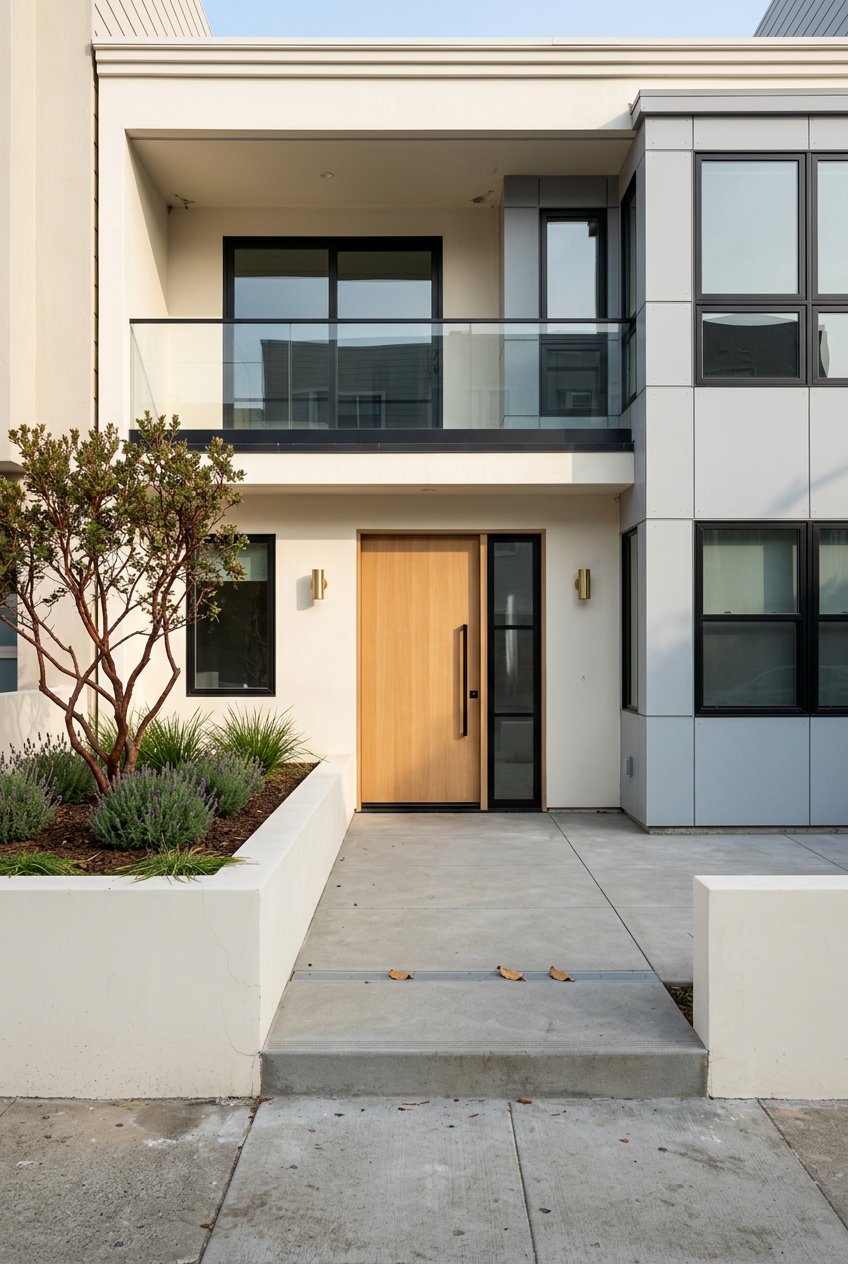
Are you deciding between Cow Hollow and the Marina for your San Francisco move? You want an easy commute, a polished condo, and a neighborhood that fits your weekday routine and weekend reset. This guide gives you a side‑by‑side look at commute options, housing types, fitness and dining access, and risk factors so you can choose with confidence. Let’s dive in.
Quick take: how they differ
Cow Hollow sits just south of the waterfront with Union and Fillmore as its retail core, known for boutique shopping, cafés, and fitness studios. The Marina fronts the bay with flat streets, Marina Green, and quick access to Crissy Field. Both are premium, highly walkable neighborhoods with excellent access to transit and outdoor life.
From a market view, recent snapshots show Cow Hollow trending higher on median sale price around $3.0M, while the Marina is closer to $1.95M. Both are small, high‑value markets where single‑family closings can skew medians. If you want a move‑in‑ready condo with parking and modern systems, plan for tight inventory and quick decision timelines.
Commute and shuttles
Transit you can count on
- The 30 Stockton provides a direct Muni link from the Marina and Cow Hollow corridor to downtown and Caltrain in SoMa. Check route details on the official 30 Stockton route.
- Walk Score rates both neighborhoods as highly walkable with strong transit and bike options. Explore neighborhood profiles for Cow Hollow and the Marina District to visualize travel times and walkability.
Employer shuttle reality check
San Francisco regulates commuter shuttles with a permitted stop network. Many large employers use designated stops along corridors like Chestnut, Fillmore, and Van Ness. Review the City’s Commuter Shuttle map, then confirm your company’s active stops and eligibility with HR. Stops and routes can change, so verify before you sign a lease or schedule movers.
Driving and airport runs
Expect short car trips to the Financial District off‑peak, and variable Peninsula commutes. Many executives use shuttles or combine Muni with Caltrain for reliability. For frequent flyers, compare door‑to‑door times to SFO using Muni plus BART versus rideshare, especially for early flights.
Housing and condo landscape
What you will find
- Cow Hollow: Victorian and Edwardian flats, boutique pre‑war condos, and renovated walk‑ups near Union and Fillmore. Select buildings offer full‑service touches and elevator access.
- Marina: Streamlined waterfront flats, Art Deco or Mediterranean rows, and newer infill. Many homes emphasize bay outlooks and enjoy rare flat terrain.
Executive‑friendly features to prioritize
- Deeded or assigned parking and secure garage access
- Elevator buildings, doorman or controlled entry
- In‑building gym or quick access to premium clubs and studios
- Reliable wiring for high‑speed internet and modernized systems
- Turnkey kitchens and baths with updated electrical and HVAC
Condos that combine parking, elevator access, and modern systems move quickly. Be ready to act when the right unit hits.
Lifestyle fit: fitness, dining, outdoors
- Cow Hollow clusters premium gyms, boutique fitness, and restaurants along Union and Fillmore, which makes a post‑work class plus dinner an easy combo. Get a feel for options along Union Street through this local roundup.
- The Marina’s edge is the waterfront. Marina Green and Crissy Field support running, cycling, sailing, and evening walks with landmark views. If daily outdoor time keeps you balanced, the bayfront may tip the scales.
Noise, events, and climate notes
- Cow Hollow’s Union and Fillmore corridors hum at night with restaurants and foot traffic. For quieter evenings, aim for interior residential blocks rather than corner commercial fronts.
- The Marina hosts major events on the waterfront. Fleet Week’s air shows in October are dramatic and loud for a few days. The Blue Angels coverage offers helpful context if you are sensitive to intermittent noise.
- Waterfront blocks can feel windier and cooler. Expect more fog and gusts along the bay compared with Cow Hollow’s interior streets.
Risk and building checks
- The Marina sits on historic bay fill that experienced liquefaction during the 1989 Loma Prieta earthquake. Review the USGS background on the Marina District’s earthquake history and evaluate building engineering and retrofit work accordingly.
- San Francisco’s mandatory soft‑story retrofit program applies to many multiunit wood‑frame buildings. Before you buy, pull the Department of Building Inspection status and final permits. Start with the City’s Soft‑Story Program page and request the building’s permit history, seismic reports, and completion certificates.
Pro tip: Ask for HOA reserve studies, elevator maintenance logs, roof and pest reports, and documentation of parking rights. These items help you compare monthly costs, risk exposure, and long‑term upkeep.
Parking and getting around
- Expect residential permit zones and limited curb space. Review SFMTA’s Residential Parking Permits if you plan to street park or need guest permits.
- If you prefer to bike, both neighborhoods score very high for bikeability on Walk Score. Many executives find a bike plus Muni hybrid routine efficient for downtown.
Decision guide
Use this quick filter to narrow your choice:
- Choose Cow Hollow if you want a dense cluster of boutique fitness, cafés, and dinner options within a short walk, and you plan to prioritize renovated condo product steps from Union or Fillmore.
- Choose the Marina if you value flat streets, bayfront running or sailing, and a slightly calmer nightly rhythm except during large waterfront events.
- In both cases, confirm your commute by testing travel at your typical departure times and validating your employer’s shuttle stops on the City’s permitted shuttle network.
- For any building, secure documentation on seismic upgrades, soft‑story compliance, parking rights, and HOA health before you write an offer.
How we can help
If you are a relocating executive, you likely value speed, discretion, and precision. I help you zero in on the right unit by aligning commute logistics, condo due diligence, and lifestyle fit, then moving fast when the right property appears. That includes targeted on‑ and off‑market searches, coordinated showings, and a clear offer strategy.
Ready to compare top units in Cow Hollow and the Marina and map your commute before you commit? Connect with Gina G. Blancarte for a focused, executive‑ready search.
FAQs
What is the main difference between Cow Hollow and the Marina?
- Cow Hollow centers on boutique retail and fitness along Union and Fillmore, while the Marina emphasizes flat streets and waterfront access to Marina Green and Crissy Field.
How reliable are employer shuttles near these neighborhoods?
- The City permits commuter shuttle stops and many employers use them, but specific routes and stops vary by company, so verify your active stop list using the SFMTA Commuter Shuttle map and HR.
Which Muni lines connect to downtown and Caltrain?
- The 30 Stockton links the Marina and Cow Hollow corridor to downtown and SoMa’s Caltrain station; review stops and service notes on the 30 Stockton route.
Are there seismic risks I should consider in the Marina?
- Yes. The Marina sits on historic bay fill and saw liquefaction in 1989; request seismic retrofit records and review USGS context on the Marina District.
What condo amenities matter most for a busy executive?
- Prioritize deeded parking, elevator access, secure entry, modern systems, strong internet infrastructure, and proximity to premium fitness or an in‑building gym.
How noisy are these neighborhoods during events like Fleet Week?
- The Marina experiences short bursts of loud aircraft noise during Fleet Week; see the Blue Angels overview to plan around October flyover dates.